
What’s really under your feet?
The rug and carpet you choose is more than a finishing touch. This is a considered guide to various materials for health-conscious and allergy-affected homes, because what we place on our floors matters more than most people realise.
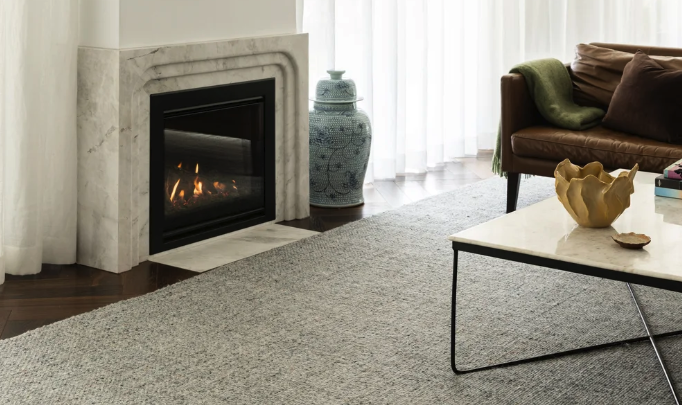
The conversation we often have.
When we select rugs and carpet with a client, the conversation usually centres on colour, texture and proportion. However, as designers we also want to know if clients have any allergies or sensitivities.
Because, the bigger question is: what are you breathing in right now?
Rug and carpet materials have a real, measurable effect on indoor air quality. Especially for those living with asthma, hay fever or dust mite sensitivities. Here's what you need to know before you buy.
The Hidden Life of Rugs and Carpet
Most people understand that rugs and carpet collect dust.
What's less appreciated is that they are essentially a living ecosystem and depending on the material, it can either harbour allergens or actively resist them.
Dust mites, mould spores, pet dander and pollen all find their way into the fibres. So do volatile organic compounds (VOCs), chemical emissions released by synthetic dyes, adhesives and flame retardants in many mass-produced rugs. This can irritate airways long after rugs and carpet are installed. Knowing the difference between materials means knowing what trade-offs you're making, and making them deliberately.
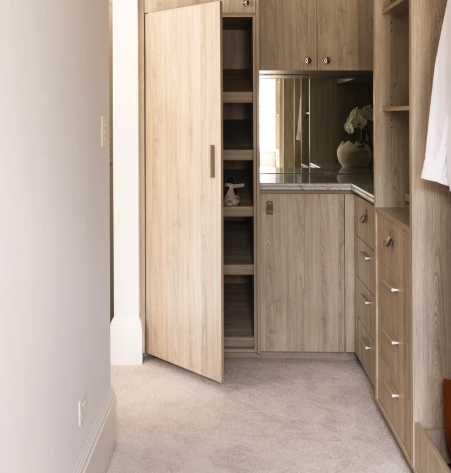
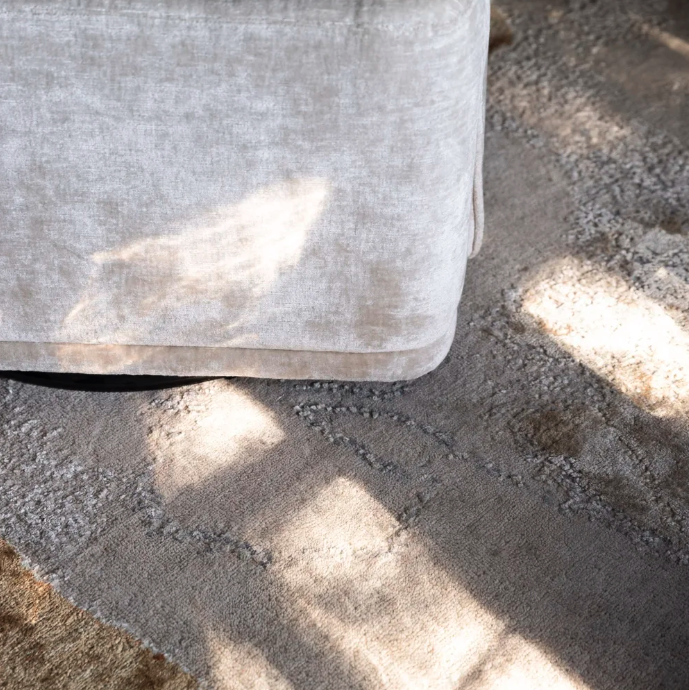

The Materials
Wool
Best overall for health & allergies. Natural lanolin in wool fibres actively repels dust mites, mould and bacteria in a way that no chemical treatment is needed. It also absorbs airborne pollutants rather than emitting them, making it one of the few materials that genuinely improves indoor air quality over time. Wool rugs and carpets are naturally VOC-free, flame resistant and biodegradable, asthma friendly and dust mite resistant.
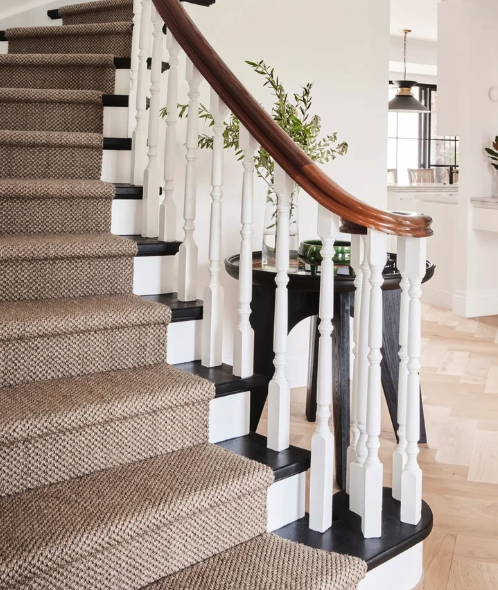
Jute & Sisal
Great for low-allergen spaces. Plant-based, minimally processed, and naturally dust mite repellent. Their low pile means allergens have less to hide in and are easier to vacuum out. Best suited to dry living areas, avoid in humid rooms or high-moisture zones.
Organic Cotton
Good, with conditions. A gentle, washable option well-suited to nurseries and bedrooms. Anti-bacterial and low in chemical processing when organic. Always check: is it truly organic, and what is the backing made from? Many mass-produced cotton rugs and carpet use synthetic glues that undermine the natural fibre entirely.
Synthetic Fibres
Proceed Thoughtfully. While moisture-resistant and stain-proof, making them practical for high-traffic or outdoor areas. The concern is off-gassing; many synthetic rugs and carpet emit VOCs from dyes and adhesives, which can irritate airways for weeks after installation. If you go synthetic, insist on OEKO-TEX or Greenguard Gold certification.
Viscose & Art Silk
Not Recommended for Allergy Sufferers. Beautiful to look at, but viscose absorbs moisture readily, creating ideal conditions for dust mites and mould. It's also notoriously difficult to clean effectively. A striking choice for a formal, low-traffic space; not the right call for a health-conscious family home.
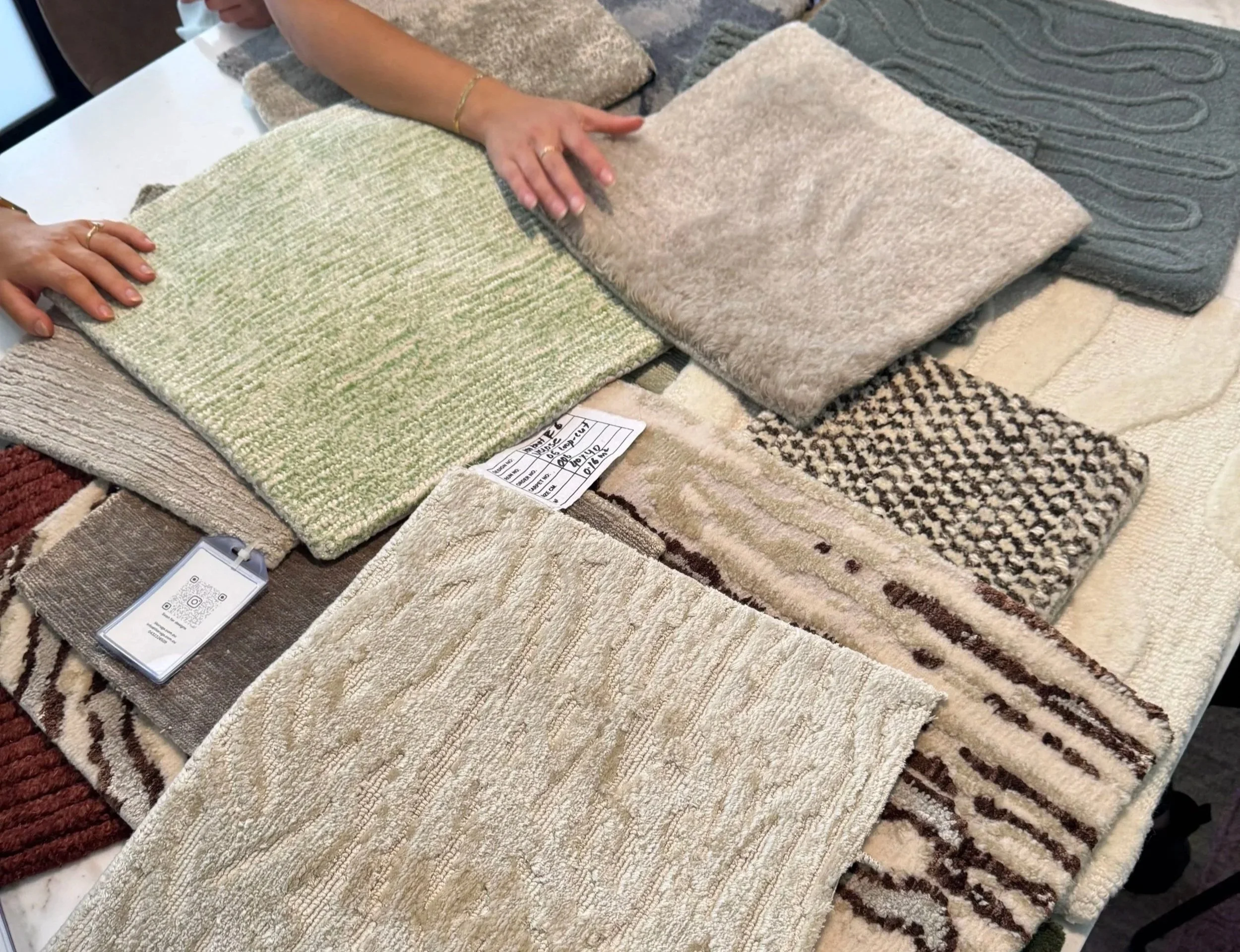
The carpet and rugs you choose is a long-term investment in how you live.
Every material choice in a home is also a decision about how your family feels within it. Our approach, when working with clients, is always to consider the full picture; the aesthetic of a piece, certainly, but also how it will age, how it will clean, and how it will contribute to the feel of a home. A great rug and carpet should make a room feel better in every sense, both visually and physically.
